When machining, it is essential that shops have a thorough understanding of how to properly maintain their metalworking fluids. If they don’t, they risk exposing employees to health hazards, incurring avoidable costs, and harming productivity due to extended maintenance times.
Here are a few fundamentals to keep in mind when managing metalworking fluids (Fluid Filtration).
Monitor Contaminant Buildup
Regardless of whether an operation is using traditional or synthetic mixtures, metalworking fluids become contaminated with bacteria, tramp oil, and metal fines. If left unchecked, the fluid eventually becomes unusable. For example, fluids contaminated with calcium, chloride, or hydraulic oil exhibit reduced lubricating and cooling capabilities.
Even more concerning are the potential health ramifications resulting from the buildup of contamination.
Workers who come into contact with water-based fluids contaminated with bacterial byproducts such as endotoxins, exotoxins, and mycotoxins risk developing numerous ailments, including skin irritation and respiratory damage. Moreover, from a business perspective, these health problems can lead to medical claims and other financial liabilities.
Although not as serious as employee health issues, fluid purchasing costs negatively impact a shop’s bottom line. Not only is there a cost associated with purchasing new fluids, but also the proper disposal of them. Although seemingly superfluous at first glance, these costs add up to a significant amount very quickly.
Plan your Maintenance Time
As mentioned previously, when metalworking fluid is contaminated, it becomes unusable. If left unchecked, this fluid causes a foul odor, damages equipment, and increases the time needed for maintenance and cleanup. It should go without saying, but the longer it takes to repair or clean equipment, the more an operation’s productivity will suffer. As we can all attest, when productivity declines, so do profits.
Technology Can Help
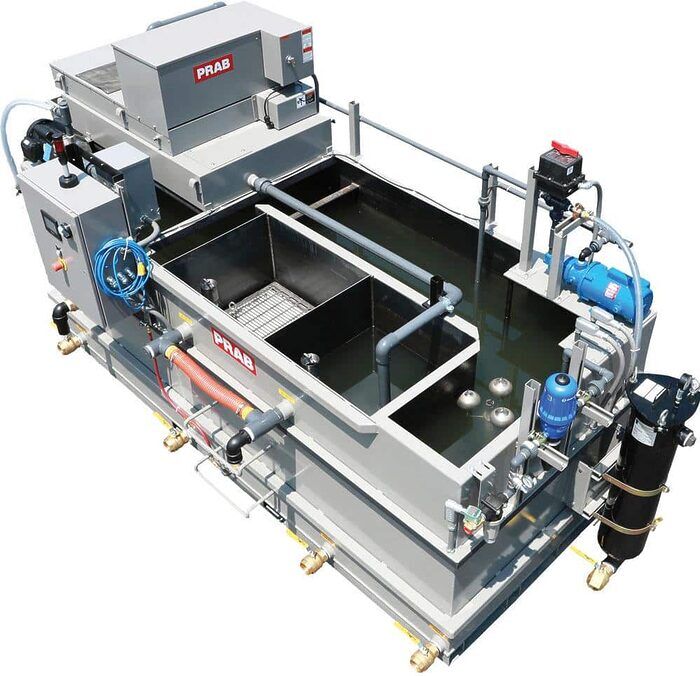
One way to mitigate the problems caused by contaminated fluid is to implement a fluid management system that incorporates solids filtration, coolant recycling, and tramp oil separation, thereby extending the life of metalworking fluid.
Large particulates are removed during the pre-filtration process. Solids are removed through secondary filtration options, such as magnetic separators, paper bed filters, and centrifuges. Tramp oil separators remove free-floating and loosely emulsified tramp oil. The end product is coolant that is ready for reuse.
By removing tramp oils, inverted emulsions, suspended solids, and other contaminants from metalworking fluids, these fluid filtration systems effectively control and reduce bacterial presence. As a result, the likelihood of ailments such as dermatitis and pneumonitis among workers is significantly decreased. In addition to reducing bacterial levels, extending the lifespan of metalworking fluids reduces the time spent on equipment maintenance.
Regardless of the operation, unexpected tool changes often result in significant downtime and production losses. While planning machine downtime varies by plant, maintaining metalworking fluids is a practice every operation can adopt. Because the clean fluid produced by these systems has lower contamination and operates at a lower temperature, tool life is extended, resulting in less downtime. The positive financial impact is another benefit of installing a fluid management system.
Fluid replacement costs aren’t always immediately noticeable. In fact, shops may even come to see them as an unavoidable expense. However, estimates have indicated that metalworking fluids can account for as much as 10 percent of the cost of a finished part. A fluid recycling system provides a comprehensive solution to this issue by delivering a consistent flow of clean fluid at the proper concentration back to machines, thereby increasing tool life by up to 25 percent and reducing new coolant purchases by up to 75 percent.
Returns like these suggest that the fluid recycling system could pay for itself within six to nine months after installation.
Maintaining productivity and avoiding unnecessary costs are crucial components of a successful machining operation, which is why quality metalworking fluid is so important. By implementing fluid filtration systems, shops are better equipped to avoid health risks, reduce fluid purchasing costs, minimize maintenance time, and generate sustainable savings.
Note 1: 8 problem areas affecting metalworking profitability
Read the full article at canadianmetalworking.com.

Mike Hook is the Sales and Marketing Director at PRAB, 5801 East N Ave., Kalamazoo, MI 49048, 877-558-9834, www.prab.com.


 (800) 968-7722
 (800) 493-3462